Hard Nutrition
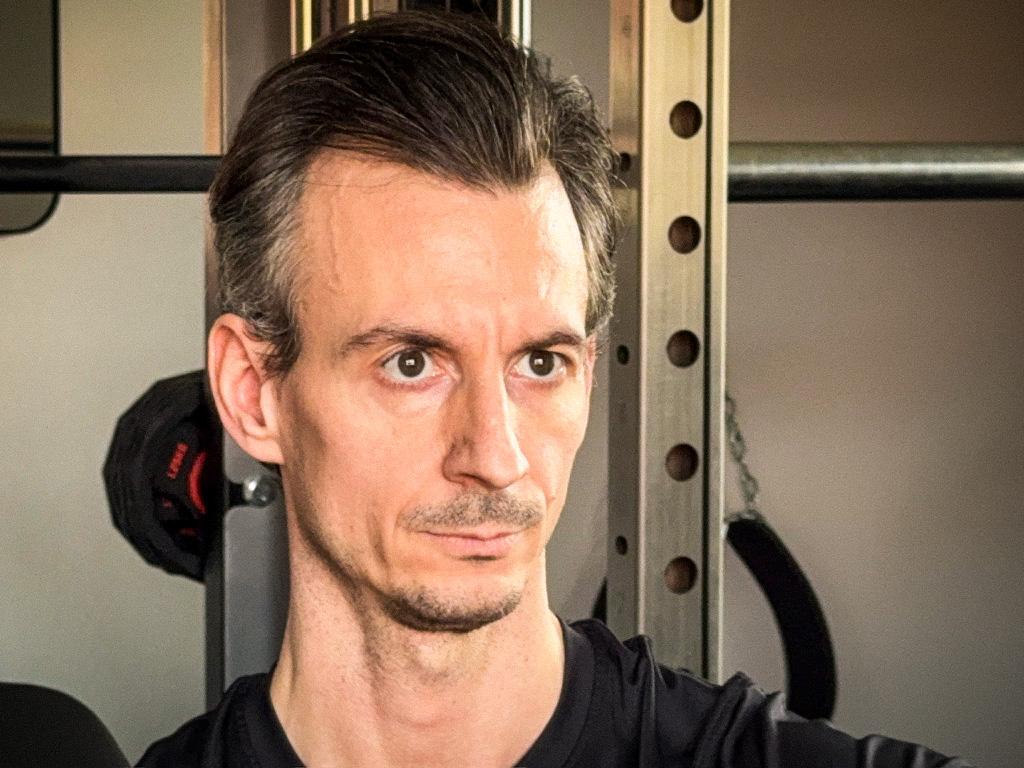
By Christian Schönbauer · Training since 1999 · Start weight under 50 kg · Peak +25 kg · Mag. · Founder, Hardgainer Performance Nutrition®
Hard Nutrition is the systematic nutrition framework for hardgainers: caloric density with high tolerability, protein cascade (fast medium slow) and timing aligned to the SRA window, calibrated to metabolism, BMR and NEAT.
Note
This page gives context and guardrails. It is not individual medical, nutrition or training advice. If you have a pre-existing condition or take medication, that question belongs with a qualified professional.
What is Hard Nutrition? The definition in 20 seconds
Hard Nutrition bundles principles that enable muscle building with high NEAT, a fast metabolism and a lower appetite: calorie control via BMR/TDEE, tolerable carbs, protein cascade and training-aligned timing.
- Manage macros: protein 1.6 to 2.2 g/kg; fats needs-based; carbs as the primary performance driver.
- Protein cascade: whey (fast) egg (medium) casein (slow); see leucine threshold & protein.
- Timing & routine: 3 to 6 meals, pre-/intra-/post-workout planned, sleep-time nutrition, synchronised with SRA.
The key output metric is the rate of gain; steer via weekly averages (weight, steps, intake).
Energy density: the number Hard Nutrition revolves around
Energy density is calories per 100 grams of food and the core of any hardgainer nutrition plan. Calorie dense foods are the whole point. For people trying to lose weight, low energy density is the lever. For a hardgainer or hard gainer it is exactly the opposite. Whoever misses their calorie target almost never fails on willpower, they fail on the volume sitting on the plate.
| Food | kcal per 100 g | Classification |
|---|---|---|
| Olive oil, rapeseed oil | about 900 | the highest density there is, one tablespoon adds around 90 kcal with no satiety |
| Nut butter, peanut butter | about 600 | fat plus protein, spreadable, almost no volume |
| Nuts, almonds | about 580 | high, but chewing takes time and fills you more than nut butter |
| Dried fruit, dates | about 280 | carbohydrates without water, good before training |
| Oats, dry | about 370 | high when dry, cooked the density drops to a quarter |
| Wholegrain bread | about 250 | solid base, moderately filling |
| Salmon | about 200 | protein plus fat, the densest protein source |
| Rice, cooked | about 130 | a lot of volume per calorie, hard on its own |
| Chicken breast | about 165 | protein without energy, needs a fat source beside it |
| Potatoes, boiled | about 80 | very filling per calorie, unfavourable for hardgainers |
| Vegetables, steamed | about 30 | almost pure volume, belongs on the plate but not as the bulk |
The rule behind it is simple: same calories, less volume. Two tablespoons of oil in your rice are 180 kcal nobody notices. The same 180 kcal from extra rice is around 140 grams more cooked rice on the plate. For someone who fills up quickly, that difference decides whether the daily target is reachable at all.
These are reference values and vary with variety, fat content and preparation. The exact figure per 100 g is on the packet.
Practical guardrails
- Starting point: derive BMR TDEE, define lean surplus.
- Carb triad: oats/rice/sweet potato; couple enzyme and fibre intake to tolerability.
- Protein distribution: 3 to 5 servings of ~25 to 40 g high-quality protein (~0.3 to 0.5 g/kg), secure MPS.
- Couple with training: quality sets near MEV, managed via RIR/RPE.
- Recovery: 7.5 to 9 h sleep; contextualise soreness (DOMS).
Practical link: use the calculator results directly in the Hardgainer MealPlan Generator to translate calories and macros into concrete meals.
Low appetite: what Hard Nutrition means in practice
The most common reason a building plan fails is not missing discipline, it is satiety arriving before the target does. Five dials, in this order:
- Raise fat first. Oil, nut butter, cream, fattier fish. Fat carries nine calories per gram and is the fastest route to more energy at the same volume.
- Use liquid calories. A shake of milk, oats, nut butter and banana delivers 700 to 900 kcal and fills you far less than the same amount as a meal.
- Cut water with meals. Drinking fills the stomach without delivering energy. Drink between meals, not with them.
- Limit raw vegetables and salad. Fibre and volume are strongly filling. Steamed rather than raw, and as a side rather than the bulk.
- Add meals before you enlarge portions. Five medium meals are easier than three large ones. And each should clear the leucine threshold.
If that is not enough, the problem is usually not the food but the daily schedule. A detailed version with a ready plan sits in the meal plan for hardgainers with low appetite.
What works and what does not
| Do | Don't |
|---|---|
| Track calories & macros; fine-tune weekly | "More is more" without a plan digestive stress |
| Tolerable carbs + enzyme/fibre management | Junk carbs as a calorie shortcut |
| Protein cascade & even distribution | Cramming everything into 1 to 2 mega-meals |
| Align timing to the SRA window | Uncoordinated eating around training |
If you are not gaining you are eating too little. So put more on the plate, add portions, done. Whoever fails simply does not want it enough.
The diagnosis is right, the solution is not. The bottleneck is volume, not willpower. Eating at 130 kcal per 100 g means over two kilos of food a day to reach 3,000 kcal. At higher energy density it is 800 grams. Not eat more, eat denser, with a moderate lean surplus and weekly checks.
Common questions
What is Hard Nutrition?
Hard Nutrition is the nutrition approach from Hardgainer Performance Nutrition® for people who struggle to gain weight. The core is energy density rather than sheer amount: the same calories at less volume on the plate, so the daily target stays reachable.
What is the difference between Hard Nutrition and a standard diet?
Most nutrition advice aims to make you full on fewer calories. Hard Nutrition inverts that. The goal is to fit in more calories before satiety hits. Same principles, opposite sign.
What does energy density mean?
Energy density is calories per 100 grams of food. Oil sits around 900, boiled potatoes around 80. At the same calorie amount, low energy density puts far more volume on the plate.
Which foods have a high energy density?
Oils at about 900 kcal per 100 g, nut butter at about 600, nuts at about 580, dried fruit at about 280, dry oats at about 370 and fattier fish at about 200. This group carries the most energy at the smallest volume.
What do you do about low appetite as a hardgainer?
Raise fat first, then use liquid calories, cut water with meals, limit raw vegetables and add meals before enlarging portions. In that order, because each step works on its own.
How many meals do I need on Hard Nutrition?
Four to five. Not because of metabolism, but because smaller meals are easier to eat and each one can clear the leucine threshold. If you hit your calorie target on three meals, you do not need five.
When do the first results from Hard Nutrition become visible?
On the scale after two to three weeks if the surplus is right. As visible muscle after eight to twelve weeks. What you notice immediately is something else: that the calorie target suddenly becomes reachable without forcing yourself through the day.
From term to practice: your tools
Energy density is the principle. A daily target and a meal structure turn it into a plan.


What the research says
Four papers behind the claims on this page
That energy density steers how much you eat is well documented. Two papers, both originally about weight loss, read here with the sign reversed.
- Portion size and energy density determined calorie intake more strongly than conscious control did. This is the foundation of Hard Nutrition. Raise energy density and you raise intake without having to force it. Ello-Martin et al., American Journal of Clinical Nutrition, 2005
- Under ad libitum conditions participants ate around 500 kcal per day more on an ultra-processed, energy-dense diet than on an unprocessed one. For people trying to lose weight that is a problem. For hardgainers it is exactly the mechanism they need, though deliberately through fat sources rather than processed products. Hall et al., Cell Metabolism, 2019
What the studies do not cover
Both papers were conducted in a weight loss context, not around muscle growth. Neither tested whether higher energy density actually leads to more fat-free mass in hardgainers. And Hall et al. show the effect for ultra-processed foods, which does not mean processed products are the best implementation.
Practical takeaway: Raise energy density deliberately through oils, nut butter, fattier fish and dried fruit. Not through processed products. The goal is less volume at the same calories, not worse food quality.
Hard Nutrition understood. Now the system behind it.
One clear mission per week in your inbox. No hype, no filler, plus new drops before anyone else.
 Hardgainer Hacks™ the moment you confirm. 10 strategies for real mass gain, straight to your inbox.
After signing up you get a confirmation email (double opt-in). Click it to confirm, otherwise nothing can be sent. Details on data processing in our Privacy Policy.
Reading & Resources
Hard Nutrition is the nutrition principle for hardgainers. Here is the main topic this term belongs to, plus the terms around it.
Main topic Nutrition for Hardgainers Surplus, energy density and distribution. The pillar where Hard Nutrition becomes a meal. To the main topicContent here is general practice guidance and does not replace individual medical or nutritional advice.