IGF-1 (Insulin-like Growth Factor 1)

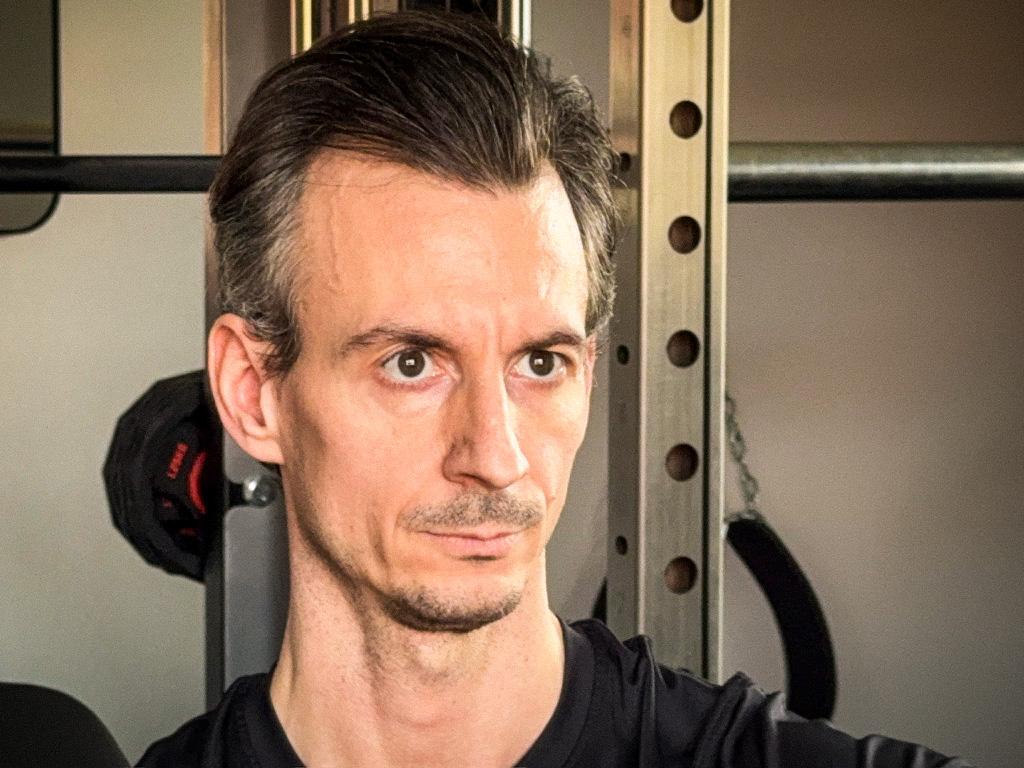
By Christian Schönbauer · Training since 1999 · Start weight under 50 kg · Peak +25 kg · Mag. · Founder, Hardgainer Performance Nutrition®
IGF-1 is the messenger between growth hormone and your muscle tissue. It supports muscle protein synthesis, recovery and nutrient utilisation — together with protein and insulin. For hardgainers this means: IGF-1 is a signal in the system. Not the switch. The levers you have — training, surplus, sleep — determine whether IGF-1 can do its job at all.
Context and practice orientation. Not medical advice or individual therapy recommendation. With pre-existing conditions or medication: seek medical guidance.
IGF-1 in 20 seconds
Your body produces IGF-1 mainly in the liver — triggered by growth hormone. In addition, trained muscle produces local IGF-1 directly at the tissue. The combination of systemic and local IGF-1 supports muscle growth and recovery.
- Signal, not a cure-all: Muscle gain remains driven by training and protein. IGF-1 works within the programme — alongside testosterone, insulin and cortisol.
- Hardgainer trap: Too few calories = your body downregulates the GH/IGF-1 axis. Not because the hormone is "broken" but because the system is not getting enough energy. High NEAT amplifies the problem.
- For hardgainers this means: You do not need an IGF-1 supplement. You need lean surplus, progressive training and 7–9 hours of sleep.
System anchors: TDEE, maintenance calories, SRA.
For years I worried about my "GH/IGF-1 axis" because I thought something hormonal must be off — otherwise I would have gained by now. The truth: my surplus was non-existent and my sleep was under 6 hours. Once both were sorted, everything changed — without a single supplement targeting the hormone axis.
What you control — and what you don't
You cannot dial up your IGF-1 directly. What you can control: the conditions under which your body produces it optimally.
- Training: Heavy compound lifts with progressive overload — volume between MEV and MRV, steered by RIR. Mechanical tension is the strongest trigger for local IGF-1 production.
- Energy availability: Lean surplus (+200–350 kcal above TDEE). Chronic deficit throttles the GH/IGF-1 axis — more common in hardgainers than you would think.
- Protein and carbs: 3–5 meals with adequate protein per serving, hit the leucine threshold. Carbs around training for glycogen replenishment.
- Sleep: 7–9 hours, consistently. GH release happens mainly during deep sleep — and GH drives IGF-1. Poor sleep limits both — see how sleep and muscle growth connect. Also Myth #6.
- Stress: Chronic stress and elevated cortisol suppress IGF-1 production. Deloads every 4–6 weeks help.
Practice: 14-day check
- Day 0 — Set your base: Lock in your calorie corridor via the calorie calculator, define a sleep window, training plan with RIR steering and SRA-appropriate progression.
- Daily — Document: Morning bodyweight, sleep duration and quality, steps as a NEAT proxy, training logged. Build weekly averages.
- Day 14 — Check the trend: Rate of Gain flattening? Strength stalling? Then: check calories, NEAT and sleep — do not reflexively increase volume.
IGF-1 responds to the big picture. Spread MPS across the day, minimise MPB. Trends count, not snapshots.
Common misconceptions
- "More IGF-1 = automatically more muscle growth." Within normal ranges, training, energy and protein decide. Not the lab value. See hypertrophy and Myth #4.
- "Post-workout absolutely needs high-GI carbs." Timing can help — total daily amount and tolerability count more. See Myth #3.
- "Sleep is secondary." GH is released mainly during deep sleep, and GH drives IGF-1. Chronically short sleep limits the entire axis. See Myth #6.
- "I need to get my IGF-1 tested." For training and nutrition you do not need lab values. Performance progress, weight trend and recovery are better indicators.
"Five to six hours of sleep are enough for muscle growth"
False. Sleep stabilises the GH/IGF-1 axis, governs recovery and influences appetite and training quality. Chronically insufficient sleep limits progress — regardless of training and nutrition. Deep dive: Myth #6.
Frequently asked questions
What is IGF-1 and why does it matter for hardgainers?
A growth factor that relays the effects of growth hormone to your muscle tissue. It matters for hardgainers because too few calories and too little sleep throttle the GH/IGF-1 axis — a common but invisible brake on progress.
Can I influence IGF-1 through nutrition?
Indirectly, yes: adequate energy, protein and carbohydrates stabilise the GH/IGF-1 axis. Direct influence is limited — training and sleep dominate.
Do hardgainers need more IGF-1 than others?
No. Hardgainers primarily need sufficient energy (factor in high NEAT), structured training and stable sleep. IGF-1 follows these factors — not the other way round.
When is an IGF-1 test useful?
For medical questions (growth disorders, hormonal axes). For your training: performance progress, weight trend and recovery are better indicators than a lab value.
Studies and Evidence
Research shows that IGF-1 relays growth hormone effects at the muscle tissue level — but the fundamentals (surplus, protein, training, sleep) remain the stronger levers.
- Biolo et al. (1995) — Insulin and insulin-like growth factor-I enhance human skeletal muscle protein anabolism during hyperaminoacidemia by different mechanisms. PubMed 7560063
- Barton-Davis et al. (1998) — Viral mediated expression of insulin-like growth factor I blocks the aging-related loss of skeletal muscle function. PubMed 9861016
Practical takeaway: IGF-1 responds to the system — surplus, progressive training and stable sleep provide the framework. Supplements targeting the hormone axis do not replace fundamentals.
That wasn't just reading. That was commitment.
If you want progress, you need a system. Get the Hardgainer Mission Briefing™ and execute one thing cleanly every week.
By signing up you receive the download link for Hardgainer Hacks™ (PDF) and the Hardgainer Mission Briefing™. Privacy Policy.
Further reading
Directly related
Context and system
- TDEE · BMR · Maintenance calories
- Lean surplus · Rate of Gain
- NEAT · SRA · Deload
Content provides general practice orientation and does not replace individual medical or nutritional advice.