


Glucagon

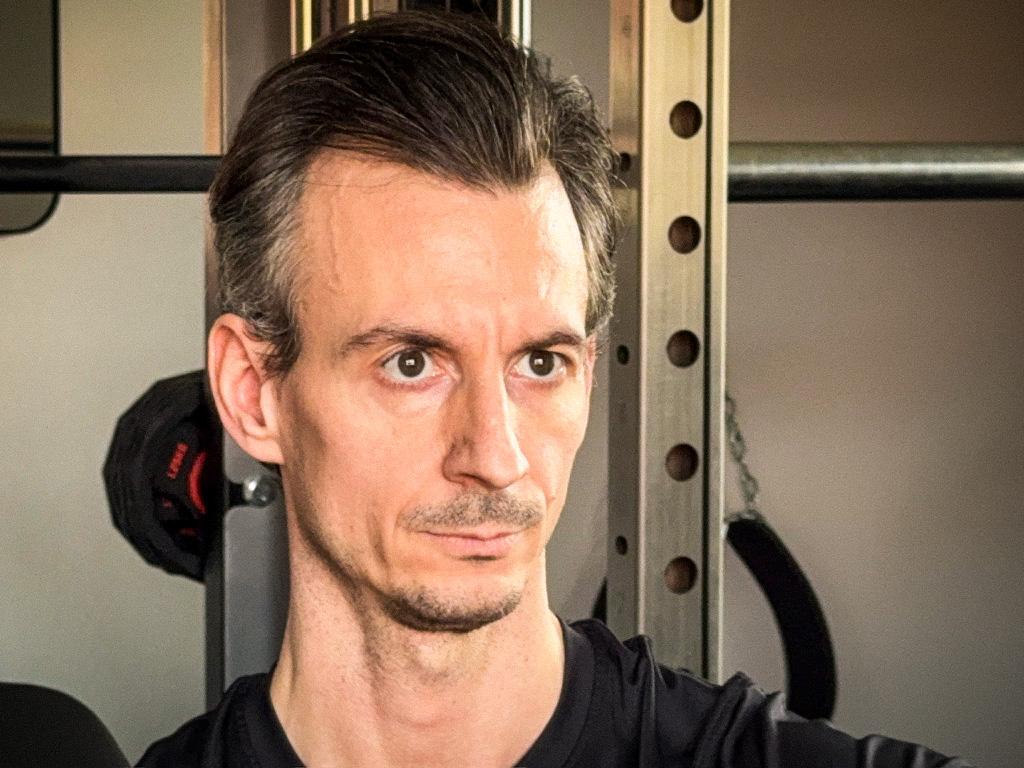
By Christian Schönbauer · Training since 1999 · Start weight under 50 kg · Peak +25 kg · Mag. · Founder, Hardgainer Performance Nutrition®
Glucagon is the counterpart to insulin. It raises blood sugar when you have not eaten for a while — by breaking down glycogen in the liver and releasing glucose. For hardgainers this means: if you fast too long, eat too little or train fasted, your body runs permanently in release mode — and builds nothing.
Context and practice orientation. Not medical or individual nutrition advice. With pre-existing conditions or medication: seek medical guidance.
Glucagon in 20 seconds
Between meals your blood sugar drops. Your pancreas releases glucagon so the liver breaks down stored glycogen into glucose. That keeps your brain and muscles fuelled — even when you are not eating.
- Counterpart to insulin: Insulin stores, glucagon mobilises. Together they keep your blood sugar stable. This is an automatic feedback loop — not a switch you can flip.
- Hardgainer trap: High NEAT + long gaps between meals + intense training = glucagon stays chronically high. Your body constantly mobilises energy but never enters building mode. Result: you feel empty, performance suffers, mass stays flat.
- For hardgainers this means: Glucagon is not the enemy. It does its job. But if you only ever mobilise and never refill enough, nothing gets built.
System anchors: TDEE, lean surplus, Metabolism System.
For a while I tried intermittent fasting because I thought it would "optimise my hormones." The truth: as a hardgainer doing 16:8, I made my eating window so narrow that I never hit my surplus. My body was permanently in release mode. When I switched to 4 fixed meals spread across the day, everything changed.
What you control — and what you don't
You cannot directly control glucagon. What you can control: the conditions that stop it from becoming a permanent state.
- Eat regularly: 3–5 meals with adequate calories and protein per serving. Long gaps between meals keep glucagon unnecessarily high.
- Secure the surplus: Lean surplus (+200–350 kcal above TDEE). If the balance is off, your body mobilises — no matter how "optimised" your timing is.
- Do not fear carbohydrates: Carbs refill glycogen stores and lower glucagon after meals. Extreme low-carb with high training volume = chronically empty stores, poor performance.
- Do not train fasted: Fasted training pushes glucagon up. For hardgainers in a build phase, rarely the best choice — a meal 1–2 hours before training is enough.
- Sleep and stress: Chronic sleep deprivation and high cortisol amplify catabolic pressure. See Myth #6.
Practice: 14-day check
- Day 0 — Set your base: Lock in your calorie corridor via the calorie calculator, define a meal rhythm (no fasting windows longer than 4–5 hours), fix your training plan.
- Daily — Document: Morning bodyweight, meals hit (yes/no), steps as a NEAT proxy, training performance, subjective energy (1–10). Build weekly averages.
- Day 14 — Check the trend: Rate of Gain flat? Energy permanently low? Often empty going into training? Then: check meal frequency and portion sizes — do not try "more fasting."
Building happens when your body gets enough to store. Not when it constantly has to mobilise.
Common misconceptions
- "My hormones are blocking my gains." Hormones respond to your behaviour — training, nutrition, sleep. Glucagon is a regulator, not a curse. Your setup decides.
- "Fasting automatically optimises my hormones." Fasting shifts substrate use. If your weekly balance is not in surplus, no building happens — regardless of how the hormone curves look.
- "As a hardgainer I should fast longer." Often the opposite. Long fasting windows + high NEAT + intense training = too few calories and protein in the system. Glucagon works, but building stalls.
"My hormones are blocking my gains"
Hormones set the framework — but they respond to training, nutrition, sleep and stress. A clear calorie corridor, structured training and reliable sleep have more influence than obsessing over individual hormone curves. Deep dive: Myth Busting – Overview.
Frequently asked questions
What is glucagon and why does it matter for hardgainers?
The counterpart to insulin — it mobilises energy from the liver when you are not eating. It matters for hardgainers because long meal gaps and too few calories keep the body permanently in release mode instead of building.
Is glucagon the reason I can't gain?
No. Glucagon does its job. If you are not gaining, it is almost always down to calorie balance, NEAT and meal structure — not a single hormone.
Should hardgainers fast longer?
Rarely sensible. Long fasting windows + high NEAT + intense training makes it hard to fit in enough calories and protein. Regular meals work better.
Is fasted training bad for building?
Not categorically bad — but for hardgainers in a build phase, rarely the best choice. A meal 1–2 hours before training provides energy, fills glycogen stores and keeps glucagon in check.
Studies and Evidence
Research shows that glucagon regulates hepatic glucose production during fasting and exercise — but calorie balance and meal structure determine whether you build or mobilise.
- Habegger et al. (2010) — Glucagon regulation of energy metabolism. PubMed 20381509
- Petersen & Sullivan (2017) — Physiologic action of glucagon on liver glucose metabolism. PMC 5371022
- Longuet et al. (2008) — The glucagon receptor is required for the adaptive metabolic response to fasting. PubMed 19046568
Practical takeaway: Glucagon is a regulator, not the enemy. Your setup — calories, meals, training — decides whether you build or break down.
That wasn't just reading. That was commitment.
If you want progress, you need a system. Get the Hardgainer Mission Briefing™ and execute one thing cleanly every week.
By signing up you receive the download link for Hardgainer Hacks™ (PDF) and the Hardgainer Mission Briefing™. Privacy Policy.
Further reading
Context and system
Content provides general practice orientation and does not replace individual medical or nutritional advice.